15 Popular Cars With Horizontal Tail Lights (and What Owners Should Know)
The most popular cars with horizontal, full-width tail lights right now include the Toyota Prius, Hyundai Elantra, Kia K5, Lexus RX, and Ford F-150 Lightning. Most of them got the look in a redesign from 2021 onward.
That’s the short answer. The more useful one covers which model years have the light bar, which trims actually light up the middle section, and what it costs when one of these sealed LED units cracks.
I’ll be upfront about my bias. I like this rear light style.
It looks modern without looking weird. It makes a car easy to pick out in a parking lot. At night it reads brighter and wider on the road, so other drivers see you sooner.
I put this list together with that in mind. I skipped a few models that every other list repeats and added popular cars you can actually find on a dealer lot or in the used market.
Quick Reference: Which Years Have the Horizontal Light Bar
This table took the longest to build. Light bar designs change at refreshes, so the model year matters a lot if you’re shopping used.
| Model | Body | Years with horizontal/full-width rear lights |
|---|---|---|
| Toyota Prius | Hatchback | 2023+ (5th gen) |
| Toyota Crown | Sedan/liftback | 2023+ |
| Lexus RX | SUV | 2023+ (5th gen) |
| Lexus NX | SUV | 2022+ (2nd gen) |
| Hyundai Elantra | Sedan | 2021+ (7th gen) |
| Hyundai Sonata | Sedan | 2024+ (refresh) |
| Hyundai Ioniq 6 | Sedan (EV) | 2023+ |
| Kia K5 | Sedan | 2021+ |
| Kia Carnival | Minivan | 2022-2024 |
| Kia EV6 | Crossover (EV) | 2022+ |
| Lincoln Corsair | SUV | 2020+ |
| Dodge Durango | SUV | 2014+ |
| Ford F-150 Lightning | Truck (EV) | 2022+ |
| Rivian R1S | SUV (EV) | 2022+ |
| Nissan Ariya | Crossover (EV) | 2023+ |
“Center section lit” means the strip across the trunk or liftgate glows with the running lights.
On some cars, that strip is only a running light and does nothing when you brake. I explain why that matters below.
The 15 Cars
1. Toyota Prius (2023+)
The 5th-gen Prius moved from an appliance to a car people buy for the looks, and the full-width rear light bar is a big part of that. It runs straight across the hatch.
This is a good fit for my “modern but not weird” rule. It looks sleek without trying too hard.
Best for: commuters who want hybrid mpg and something better looking than the old Prius.
2. Toyota Crown (2023+)
The Crown has a thin light bar across the rear that makes the car look wide and low.
It’s a polarizing car overall, mainly the lifted sedan stance. The rear end is the part most people agree looks good.
3. Lexus RX (2023+)
The 5th-gen RX got an L-shaped full-width light bar with LEXUS lettering in the middle. At night it’s one of the most recognizable SUVs on the road.
The RX is one of the more reliable luxury SUVs, so this is the pick I’d recommend most easily to a family. For more options in this class, see my list of the best affordable luxury SUVs.
4. Lexus NX (2022+)
The NX uses the same design idea in a smaller package. The 2nd generation added the full-width bar and the spelled-out LEXUS badge.
If you’re shopping used, make sure you’re looking at 2022 or newer. The 2015-2021 NX has separate rear lights.
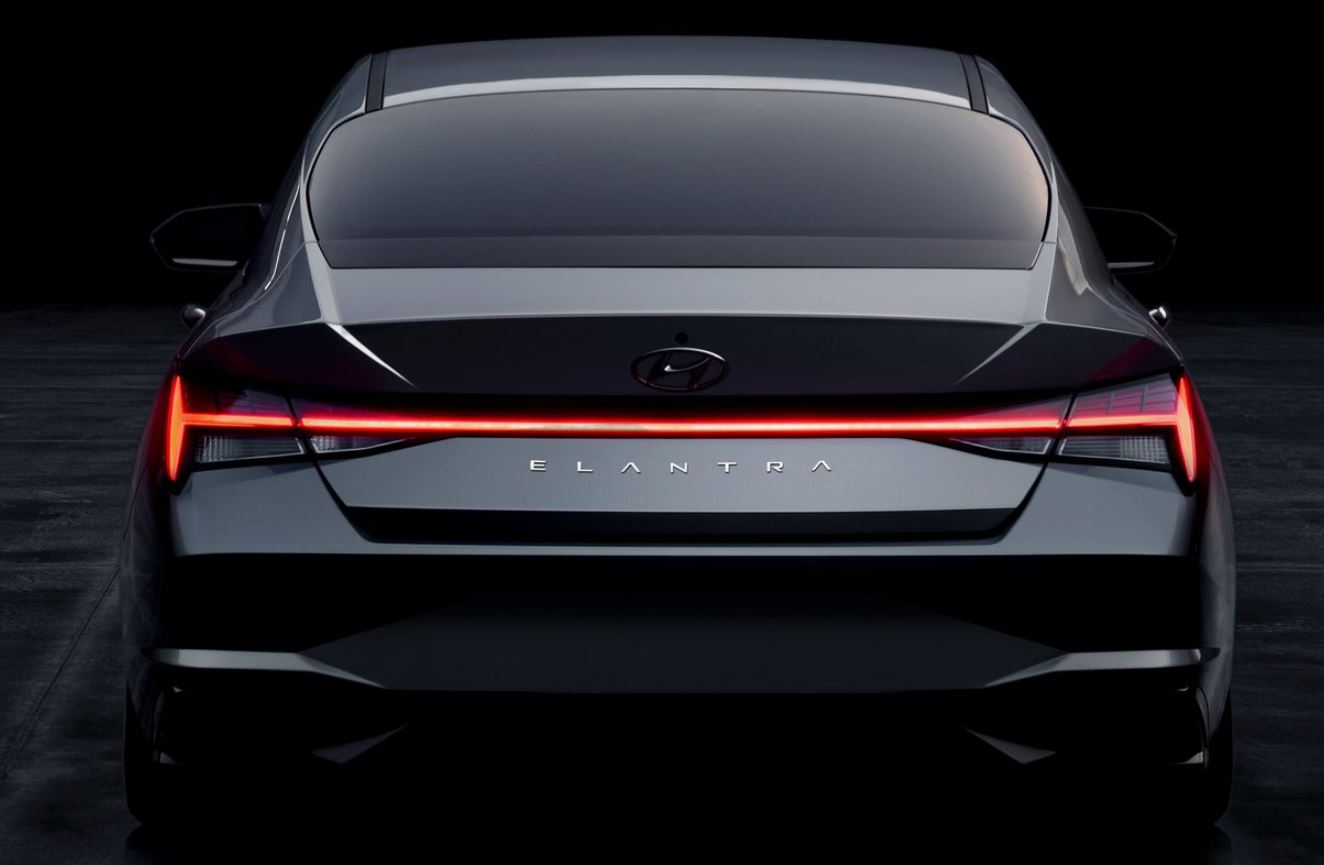
5. Hyundai Elantra (2021+)
This is the budget way to get the look. The 7th-gen Elantra has H-shaped lights connected across the trunk.
You get a modern rear end on a compact sedan that’s affordable new and plentiful used. Check the specific trim in person, because lighting details can vary.
6. Hyundai Sonata (2024+ refresh)
The 2020-2023 Sonata had a connected look but a different design. The 2024 refresh gave it a cleaner, more pronounced full-width H-style bar.
If the rear design is a main reason you’re buying, the newer refresh is the one to get.
7. Hyundai Ioniq 6 (2023+)
The Ioniq 6 uses Hyundai’s “parametric pixel” lights in a full-width bar near the spoiler. It’s the most futuristic car on this list.
I’ll admit this one is closer to my “too weird” line. Some people love the shape and some don’t. The light bar itself is great.
8. Kia K5 (2021+)
The K5 has a light bar connecting the taillights across the trunk, and it’s one of the sharpest-looking midsize sedans in this price range.
If you’re choosing between the K5 and the Sonata, they share a lot underneath. Go with whichever rear end you like better.
9. Kia Carnival (2022-2024)
A minivan on this list may seem odd, but the Carnival’s full-width rear light makes it look more like an SUV.
Kia refreshed the Carnival for 2025 with its “Star Map” lighting design. The straight bar that ran across the liftgate on 2022-2024 models gave way to angled, vertical lamps at the outer edges of the body.
If you want the continuous full-width bar, stick with the 2022-2024 model years. Families should also read my guide to the best car for family use.
10. Kia EV6 (2022+)
The EV6 has a boomerang-shaped light bar that wraps across the whole rear. It looks especially good at night, when it reads as one continuous curve.
11. Lincoln Corsair (2020+)
Lincoln uses full-width tail lights across most of its lineup, and the Corsair is the most affordable way to get one.
If you want something bigger, the Aviator and Nautilus have a similar look.
12. Dodge Durango (2014+)
The Durango had the horizontal look years before it was common. Its “racetrack” tail light wraps across the liftgate, and Dodge has kept it since the 2014 refresh.
This is the cheapest way to get the style in a 3-row SUV on the used market. Skip the 2011-2013 models if the lights matter to you.
13. Ford F-150 Lightning (2022+)
Most gas F-150s have vertical taillights. On the right trims, the Lightning adds a light bar across the tailgate, so you can spot it as the electric version from far away.
Check the trim before you buy. The full-width bar across the tailgate isn’t on the base Pro, which is aimed at fleet buyers, or on a standard XLT.
Those trucks use separate LED taillights. The bar comes standard on the Lariat and Platinum, and some XLT trucks may have it through an optional lighting package.
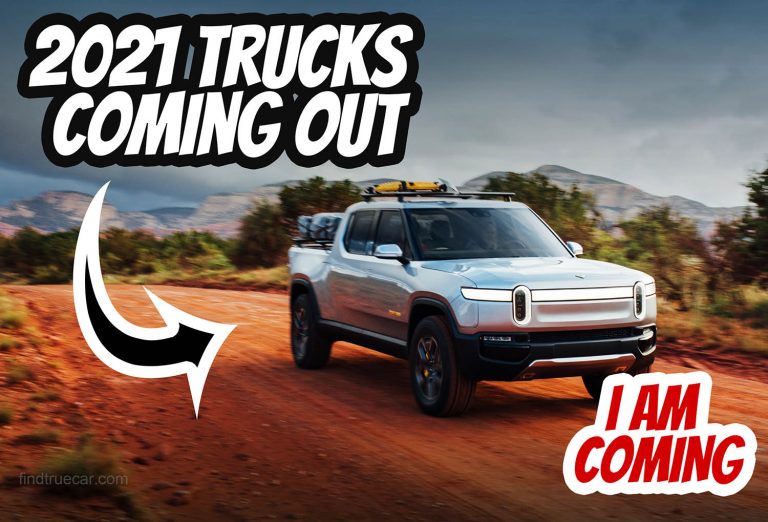
14. Rivian R1S (2022+)
The R1S has a thin full-width bar on a clean, flat rear. It’s simple and doesn’t scream for attention, which is why I think it works.
15. Nissan Ariya (2023+)
The Ariya has a slim light bar across the rear, and it’s easy to overlook in the EV crowd. Depreciation in the used EV market has pushed Ariya prices down noticeably.
That makes it a strong value if you want a clean-looking electric SUV with a slim light bar without paying new-car money.
The Ariya, EV6, and Ioniq 6 are all worth watching for deals. Check my roundup of electric car lease deals.
Is a Full-Width Light Bar Actually Safer?
My gut says yes, because these cars look brighter and easier to see on the road. That’s part of why I like them. There’s one nuance to know, though.
The center strip is usually just a running light. On many of these cars, the bar across the trunk glows at night but doesn’t get brighter when you brake. It may not flash with your turn signal either. The brake and turn functions still come from the outer clusters and the third brake light.
So here’s the honest breakdown:
- The real benefit: a wide, continuous light at night shows other drivers your car’s full width. That makes it easier to judge where you are, especially in rain or fog.
- What the bar doesn’t do: it doesn’t make your brake signal bigger on most cars. Your braking visibility comes from the outer lamps and the center high-mount stop light.
- Why the third brake light matters: NHTSA research on the center high-mount stop lamp is a big reason it became required on US passenger cars in the 1980s.
The bottom line: full-width lights help you get seen at night. They don’t replace a working brake light. If an outer cluster fails, don’t assume the bar will cover for it.
The Catch: These Lights Are Expensive to Fix
This is the part I’d want to know before buying.
Older cars use tail lights with bulbs. A bulb is a few bucks and takes five minutes to swap.
Most cars on this list use sealed LED assemblies. When an LED section dies or the lens cracks in a parking-lot bump, you usually replace the whole unit, not a bulb.
Some full-width designs are also split into several pieces: two outer lamps plus a center bar on the trunk or liftgate. That’s partly good news, because you may only need to replace the damaged piece.
Here’s a rough cost picture. These are estimates, so confirm with your dealer parts counter or a parts catalog.
| Item | Rough cost |
|---|---|
| Old-style bulb replacement (DIY) | $5-$15 |
| Mainstream LED tail light assembly, OEM part | $300-$800+ per side |
| Luxury/EV full-width center bar, OEM part | $500-$1,500+ |
| Dealer labor to install | 0.5-1.5 hours |
A bit pricey, right?
Here’s how to save:
- Check insurance first. If the damage came from a collision, comprehensive or collision coverage may make more sense than paying out of pocket. That depends on your deductible.
- Look at certified aftermarket or used OEM parts. Salvage-yard and recycled OEM tail lights are often a big discount over new. Check the connector and the mounting tabs before you buy.
- Moisture inside the lens? On some cars a small amount of condensation is considered normal and clears up. Persistent water pooling is not normal. Ask the dealer about warranty coverage before you pay for anything.
Can You Add a Light Bar to an Older Car?
Yes, and it’s the cheapest way to get the look. Aftermarket LED light bars and “connected” tail light kits exist for many popular trucks and SUVs.
Be careful, though:
- Buy lights marked DOT-compliant, which shows they’re built to the US standard for vehicle lighting (FMVSS 108).
- Cheap kits sometimes use dim LEDs or ones that fail early. Read real owner reviews.
- Some kits need wiring changes or a load resistor so your dash doesn’t throw a bulb-out warning. Read the kit maker’s instructions before you buy.
- Lighting rules vary by state, especially for colors and flashing patterns. Check your state’s rules.
If you’re comfortable with basic wiring, this can be a weekend project. If not, a shop install is usually still cheaper than switching cars for the looks.
Which One Would I Pick?
My verdict depends on what kind of buyer you are:
- On a tight budget: a used Hyundai Elantra (2021+) or Kia K5. You get the modern look for the least money.
- Need a 3-row SUV: a used Dodge Durango (2014+). It’s the original racetrack-light SUV and easy to find.
- Want reliability plus style: a Lexus RX (2023+) or NX (2022+). This is probably the one I’d buy myself.
- Going electric: the Kia EV6 or Nissan Ariya. Watch for discounts.
- Family hauler: a Kia Carnival from 2022-2024, if you specifically want the full-width bar.
If visibility is part of why you like these lights, as it is for me, my guide on SUVs with the best visibility covers the other side: how well you can see out of the car.
Money and Time Summary
Here’s the value math in one place:
- Cheapest way to get the look: an aftermarket DOT-compliant light kit on a car you already own. Expect a few hundred dollars and an afternoon of DIY, or add shop labor.
- Cheapest car with it built in: a used Hyundai Elantra or Durango.
- Hidden ownership cost: a cracked OEM LED tail light can cost several hundred dollars or more to replace. A bulb-type tail light costs a few dollars.
- Time to fix: most tail light swaps are a 30-60 minute DIY job if you can remove a few trim panels. Some liftgate center bars take longer and are easier to break during removal.
Horizontal tail lights look great and help you get seen at night, but check the model year and budget for a pricey replacement before you fall for the looks.